
In 2026, the definition of “business as usual” in the Philippines has undergone a radical transformation. With the Securities and Exchange Commission (SEC) now requiring mandatory sustainability disclosures under PFRS S1 and S2, the corporate world has moved from voluntary “green” initiatives to a regulated environment of transparency and accountability.
However, achieving a truly Greener Philippines is not a task for any single organization. It requires a multidisciplinary alliance—a strategic web of partnerships between the public sector, private enterprises, and academic institutions.
Public-Private Partnerships
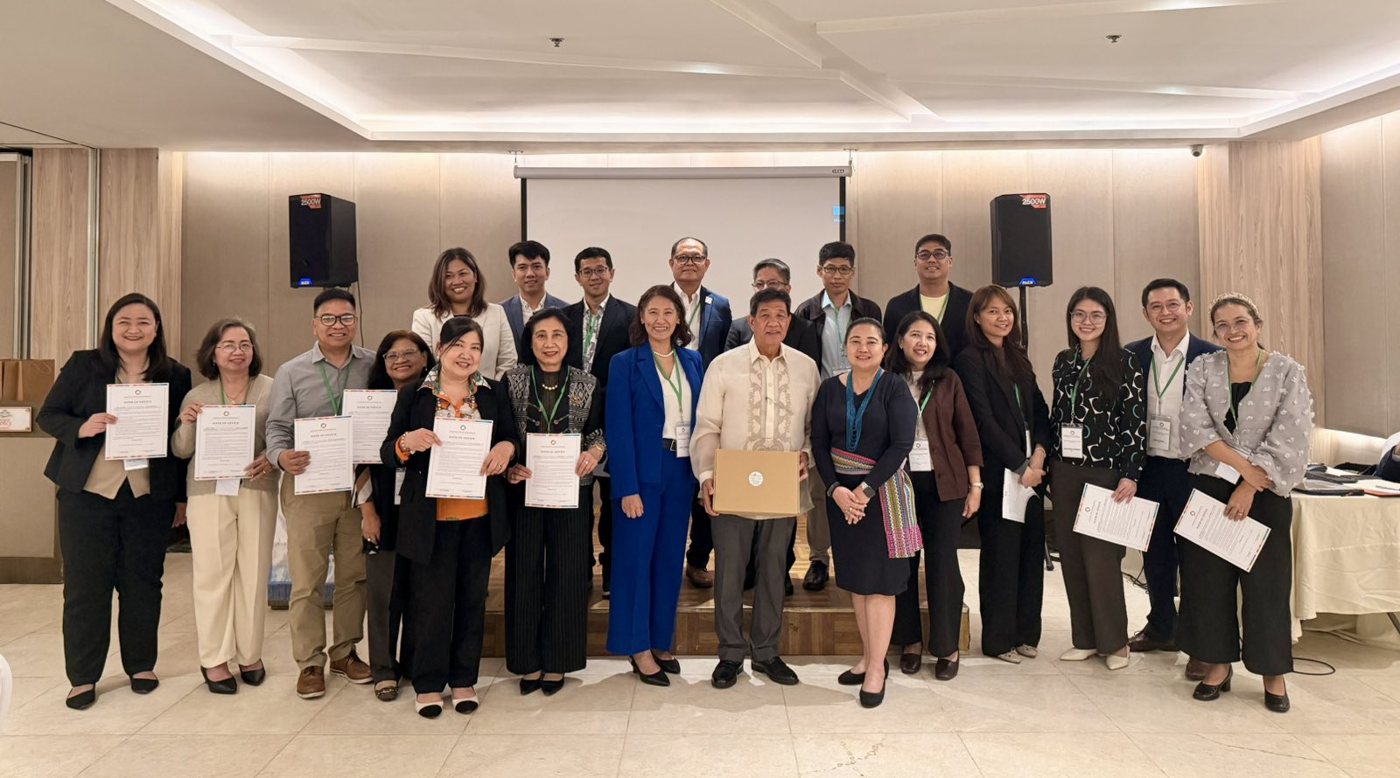
- The Power of Public-Private Partnerships (PPPs) – The bridge to a sustainable future is built on the strength of Public-Private Partnerships. As highlighted by recent renewals between the Climate Change Commission (CCC) and global partners, the goal is to translate high-level climate policies into tangible, life-improving actions. For CEOs and managers, these partnerships provide the “Green Lanes” necessary for strategic investments in renewable energy and circular economy infrastructure.
Quality Business Education
- Bridging the Skills Gap through Education – Mandatory reporting has exposed a significant skills gap within the Philippine workforce. To move from data collection to strategic foresight, organizations must prioritize Quality Business Education. Strategic alliances with academic institutions ensure that the next generation of finance leaders is equipped with the specific ESG competencies required to navigate the 2026 regulatory landscape.
Responsible Governance
- Governance: The Foundation of Trust – A greener Philippines is impossible without the bedrock of Responsible Governance. Strategic partnerships allow firms to share best practices in audit-ready data management and ethical stewardship. By aligning with professional networks like CPA4S, businesses can ensure that their sustainability journey is not just a compliance exercise, but a core component of their long-term value creation.
Collective Action
- A Call to Collective Action – As we look toward the remainder of 2026, the invitation is open for all leaders to transition from silos to synergy. Through Sustainable Business Practices, we can turn the “Eco Not Ego” mindset into a nationwide reality.
The future of the Philippines is green, but only if we build it together.
FAQ
What is sustainability in the Philippines?
Sustainability in the Philippines refers to efforts by government, businesses, professionals, and civil society to create long-term environmental, social, and economic value through responsible governance, measurable action, and accountable reporting. CPA4S frames this work as something that must connect policy direction, enterprise strategy, and societal impact rather than remain in separate tracks.
Why does sustainability in the Philippines need integrated execution?
Sustainability in the Philippines needs integrated execution because many initiatives still operate in parallel. Policy may advance without full enterprise adoption, corporate action may lack deeper societal alignment, and impact programs may not always have strong measurement and assurance systems. The conference concept note identifies this fragmentation as a central challenge.
What role can CPAs play in sustainability?
CPAs can help translate sustainability goals into systems, governance, reporting, risk management, and accountability. CPA4S positions finance professionals as key contributors in making sustainability measurable, credible, and aligned with enterprise value.
How can businesses support sustainability in the Philippines?
Businesses can support sustainability by embedding it into governance, risk management, strategy, reporting, and partnerships. The conference concept note highlights practical actions such as stronger internal controls over sustainability reporting, ESG oversight frameworks, risk integration into ERM, and assurance readiness.
Why are partnerships important for sustainability in the Philippines?
Partnerships are important because no single organization can achieve sustainability alone. CPA4S’s Strategic Partnerships page emphasizes collaboration among the public sector, private enterprises, academic institutions, and professional networks to move from isolated initiatives to coordinated action.
How do public-private partnerships help build a greener Philippines?
According to CPA4S’s Strategic Partnerships page, public-private partnerships help translate high-level climate and sustainability policies into practical investments and real-world implementation, including areas such as renewable energy and circular economy infrastructure.
Why does education matter in sustainability work?
Education matters because growing sustainability and disclosure requirements create a skills gap. CPA4S’s Strategic Partnerships page notes that alliances with academic institutions can help prepare the next generation of finance leaders with ESG-related competencies needed for reporting, governance, and strategic decision-making.
Why is governance central to sustainability?
Governance is central because sustainability without trust, reliable data, and accountability is weak. Both the conference concept note and the Strategic Partnerships page stress that credible reporting, responsible governance, and measurable systems are essential foundations for long-term sustainability practice.
What makes CPA4S relevant to sustainability in the Philippines?
CPA4S is relevant because it is positioning itself as a professional platform that connects sustainability ambition with governance, financial discipline, reporting credibility, and cross-sector collaboration. The concept note specifically presents the organization as an integrator of policy, enterprise, and impact.
Why should readers follow CPA4S before the September conference?
Readers should follow CPA4S because the organization is building a conversation around practical sustainability leadership, measurable impact, and collaboration across sectors. The conference concept note shows that the event is designed not only as a forum for discussion, but as a mechanism for integration and post-conference commitments.