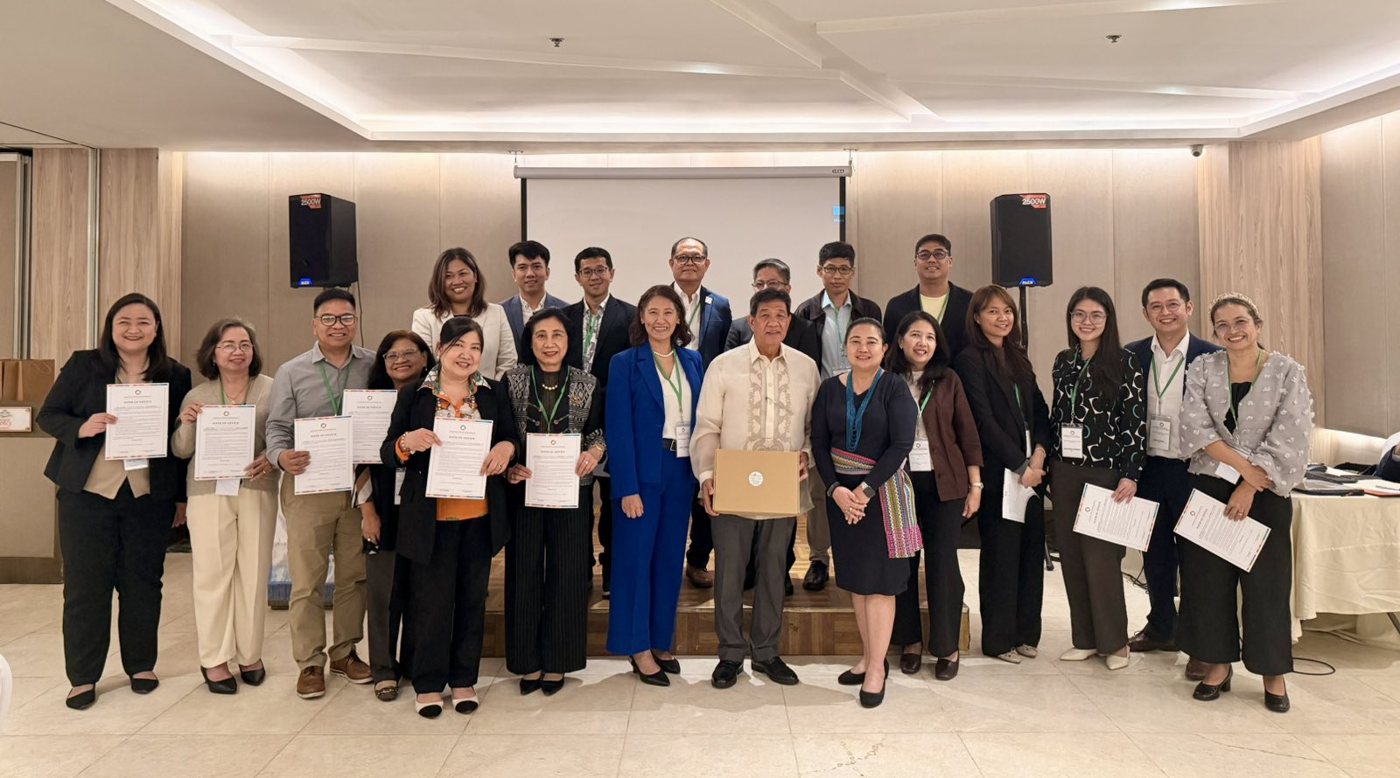

Sustainability in the Philippines is no longer a side conversation. It now influences regulation, investment expectations, business strategy, risk management, and public accountability. Yet despite the growing attention, one challenge remains clear: many sustainability efforts still operate in silos. Government policies move in one direction, businesses respond in another, and civil society often carries implementation realities that are not fully reflected in corporate decision-making.
This is why sustainability in the Philippines must move beyond fragmented initiatives and toward integrated execution.
The challenge of fragmented sustainability efforts
Across the country, sustainability has gained momentum in many forms. Regulators are strengthening expectations. Businesses are improving their ESG awareness. Civil society groups continue to advance climate, social, and development work on the ground. These are all positive developments.
But progress is not always connected.
In many cases, policy direction does not fully translate into enterprise action. Corporate sustainability efforts may focus on reporting without deeply embedding governance, risk management, or measurable impact. Community-level initiatives may create real value, yet remain disconnected from formal systems of assurance, disclosure, and board oversight.
This gap weakens results.
The conference concept note for the 3rd Sustainability Conference identifies this exact challenge: sustainability efforts are expanding across sectors, but often in parallel tracks. It argues that what is needed is a technically grounded platform that can connect policy, enterprise strategy, and societal impact into one integrated direction.
Why integrated execution matters for sustainability in the Philippines
Integrated execution means sustainability is no longer treated as a separate department, a compliance checklist, or a public relations project. It becomes part of how institutions make decisions, manage risk, measure performance, and create long-term value.
For the Philippines, this matters for several reasons.
First, the sustainability agenda is becoming more complex. Organizations must understand evolving expectations related to governance, reporting, accountability, and resilience. These issues affect not only large corporations, but also professional organizations, advocates, and institutions shaping the business environment. The CPA4S conference framework itself reflects this by bringing together policy direction, enterprise strategy, and societal impact in one conversation.
Second, businesses need clearer bridges between sustainability ambition and operational execution. It is one thing to support ESG in principle. It is another to build internal controls, governance systems, risk integration, and credible reporting processes that make sustainability measurable and decision-useful. The conference concept note places strong emphasis on these practical areas, including internal controls over sustainability reporting, governance frameworks, assurance readiness, and sustainability risk integration into ERM.
Third, real impact cannot be achieved by one sector alone. Sustainability in the Philippines requires collaboration between regulators, boards, finance leaders, advocates, and civil society actors. The CPA4S homepage already points toward this multidisciplinary direction by describing the movement as one that connects CEOs, finance leaders, managers, and advocates around practical ESG action and measurable progress.
The unique role of finance and governance professionals
One of the strongest opportunities in this space is the role of CPAs and finance professionals. Sustainability needs translators—people who can convert broad ambition into systems, metrics, accountability, and enterprise discipline.
That is where financial leadership becomes essential.
Professionals grounded in reporting, controls, governance, risk, and assurance are well positioned to help organizations move from good intentions to credible execution. This does not mean sustainability belongs only to accountants. It means that strong sustainability practice requires the same discipline that finance and governance professionals bring to strategy and accountability.
The concept note describes CPA4S as a professional anchor that helps translate sustainability ambition into measurable systems, credible reporting, accountable governance, and strategic enterprise value. That is a powerful and relevant positioning for the Philippine market today.
What integrated execution looks like in practice
Integrated execution is practical, not abstract. It can include:
- aligning sustainability efforts with national direction and policy expectations
- embedding sustainability into board oversight and enterprise strategy
- strengthening internal controls over sustainability information
- improving reporting credibility and assurance readiness
- building partnerships between business and civil society
- using measurable commitments instead of broad declarations
The conference concept note reinforces this practical view by focusing on technical sessions, impact labs, and a closing commitment forum designed to move participants from discussion to collaboration and action.
Why this matters now
The longer sustainability remains fragmented, the harder it becomes to build trust, attract aligned partnerships, and generate measurable progress. Organizations need more than isolated projects. They need coherence. They need governance. They need measurable outcomes.
That is why the conversation must evolve.
Sustainability in the Philippines cannot remain a collection of parallel initiatives. It must become an integrated discipline that connects regulation, strategy, operations, impact, and accountability.
This is also where CPA4S can build a meaningful role. The live site already presents the organization as a movement for sustainability leadership in the Philippines, bringing together professionals and advocates for long-term impact. With stronger website content and a focused editorial strategy, that positioning can become even more credible and discoverable online.
Conclusion
The future of sustainability in the Philippines depends not only on more initiatives, but on better integration. When policy direction, enterprise strategy, and societal impact are aligned, sustainability becomes more measurable, more credible, and more transformative.
That is the opportunity ahead.
And that is why the months leading to the September conference are the right time for CPA4S to deepen its message, strengthen its digital presence, and lead the conversation on integrated execution.
FAQ
What is sustainability in the Philippines?
Sustainability in the Philippines refers to efforts by government, business, civil society, and professionals to advance responsible environmental, social, economic, and governance outcomes that support long-term resilience and inclusive growth.
Why is integrated execution important in sustainability?
Integrated execution helps ensure that sustainability is embedded into governance, reporting, strategy, and measurable impact rather than treated as a stand-alone or fragmented activity.
What role can CPAs play in sustainability?
CPAs can support sustainability through governance, risk management, reporting, internal controls, assurance readiness, and measurement systems that make sustainability more credible and actionable.
Why should organizations collaborate on sustainability?
Sustainability challenges are interconnected. Businesses, regulators, finance leaders, and civil society groups often need to work together to align strategy, accountability, and real-world outcomes.